Memory Integrity (1 GiB Test Buffer)
1 GiB (1024 MiB) allocated RAM buffer tested byte-by-byte across 6 distinct bit patterns.
6/6 patterns passed (0x55, 0xAA, 0x00, 0xFF, walking 1/0) · 100% SHA-256 hash match
DEVICE DOSSIER / 02 · ASUSTOR
Documented condition.
8 GB upgraded memory.
Verified gigabit throughput.
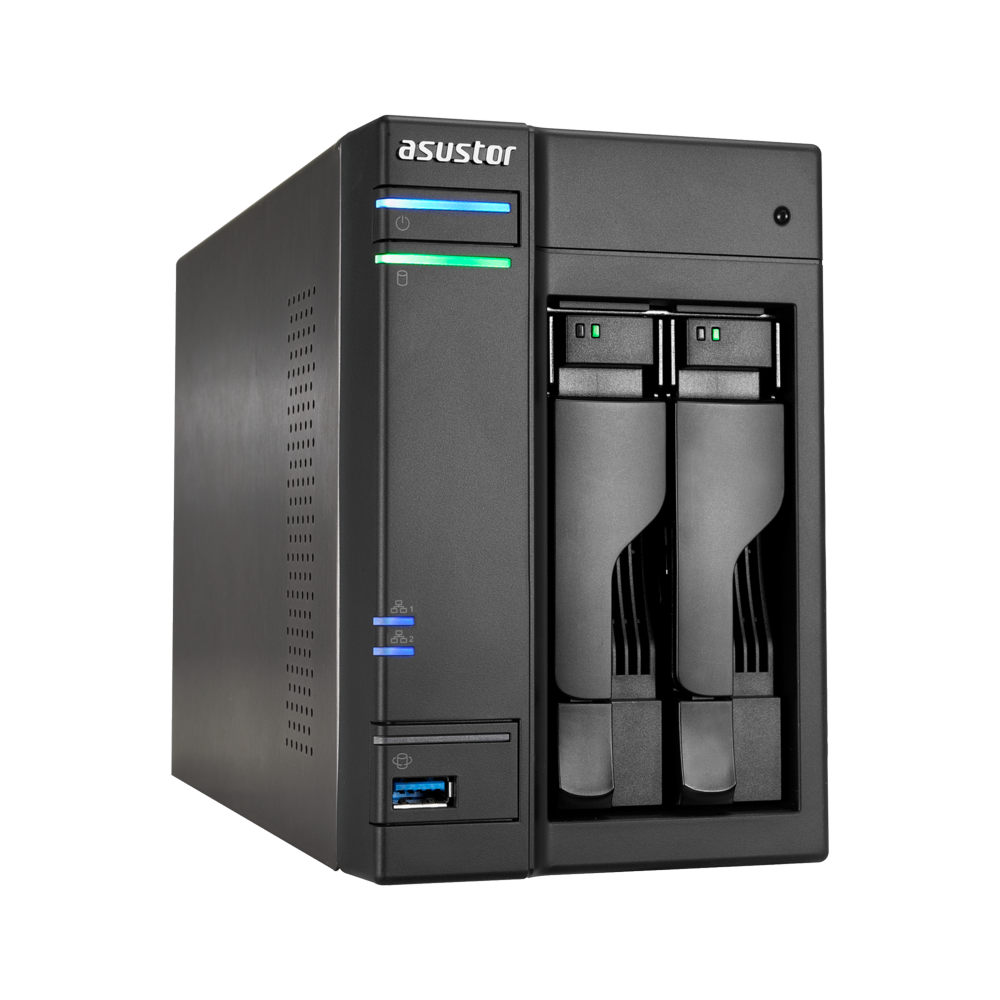
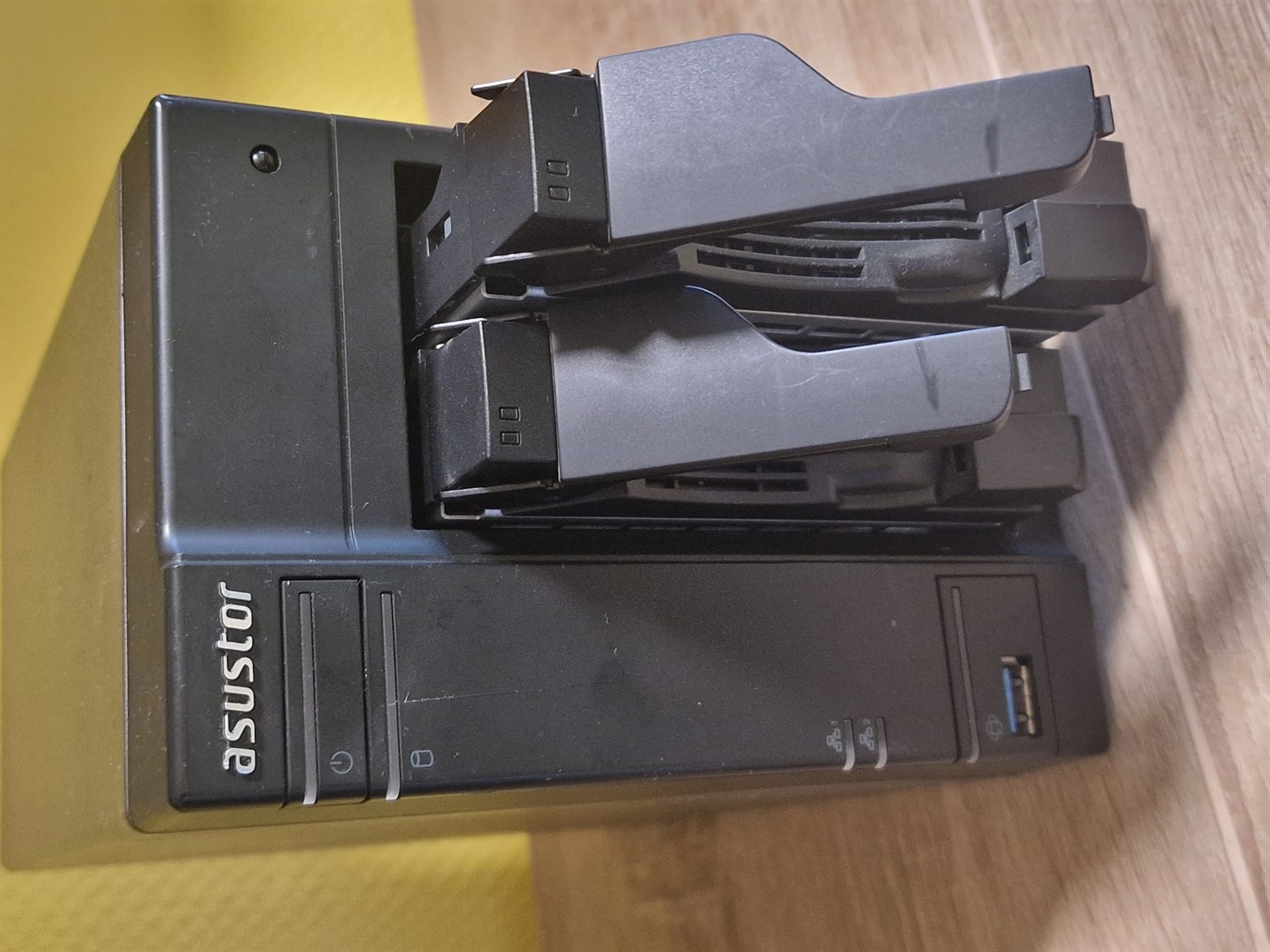
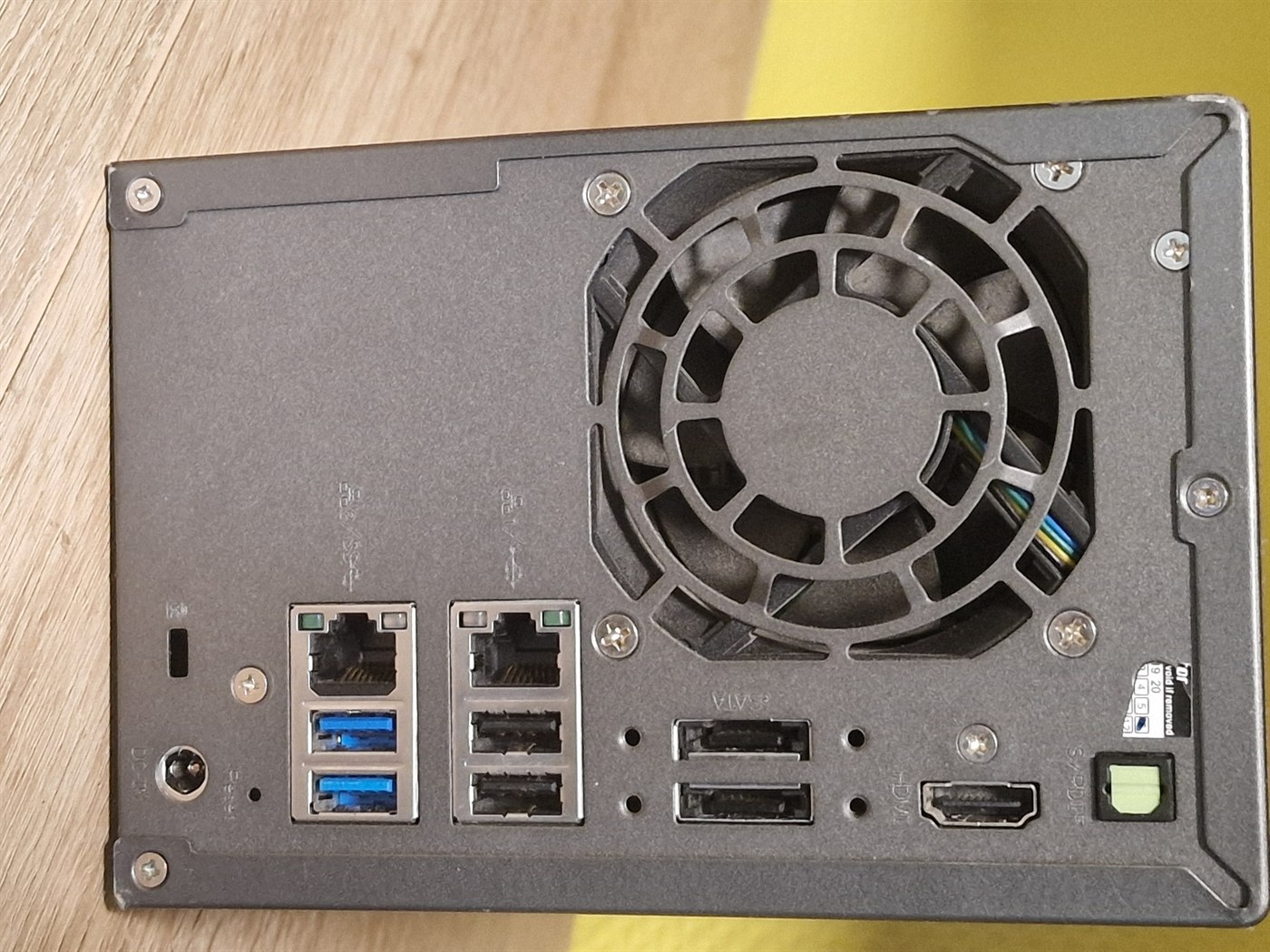
2-bay premium Network Attached Storage (Intel Celeron J3060 dual-core, 2.48 GHz burst, 8 GB Dual-channel DDR3L RAM, 2× GbE LAN, HDMI 1.4b output, 5× USB ports). Freshly updated to the latest ADM 4.3.3, reset to clean factory state, ready for immediate setup.
01 / SPECIFICATIONS & HARDWARE
02 / AUTHENTIC DOCUMENTATION
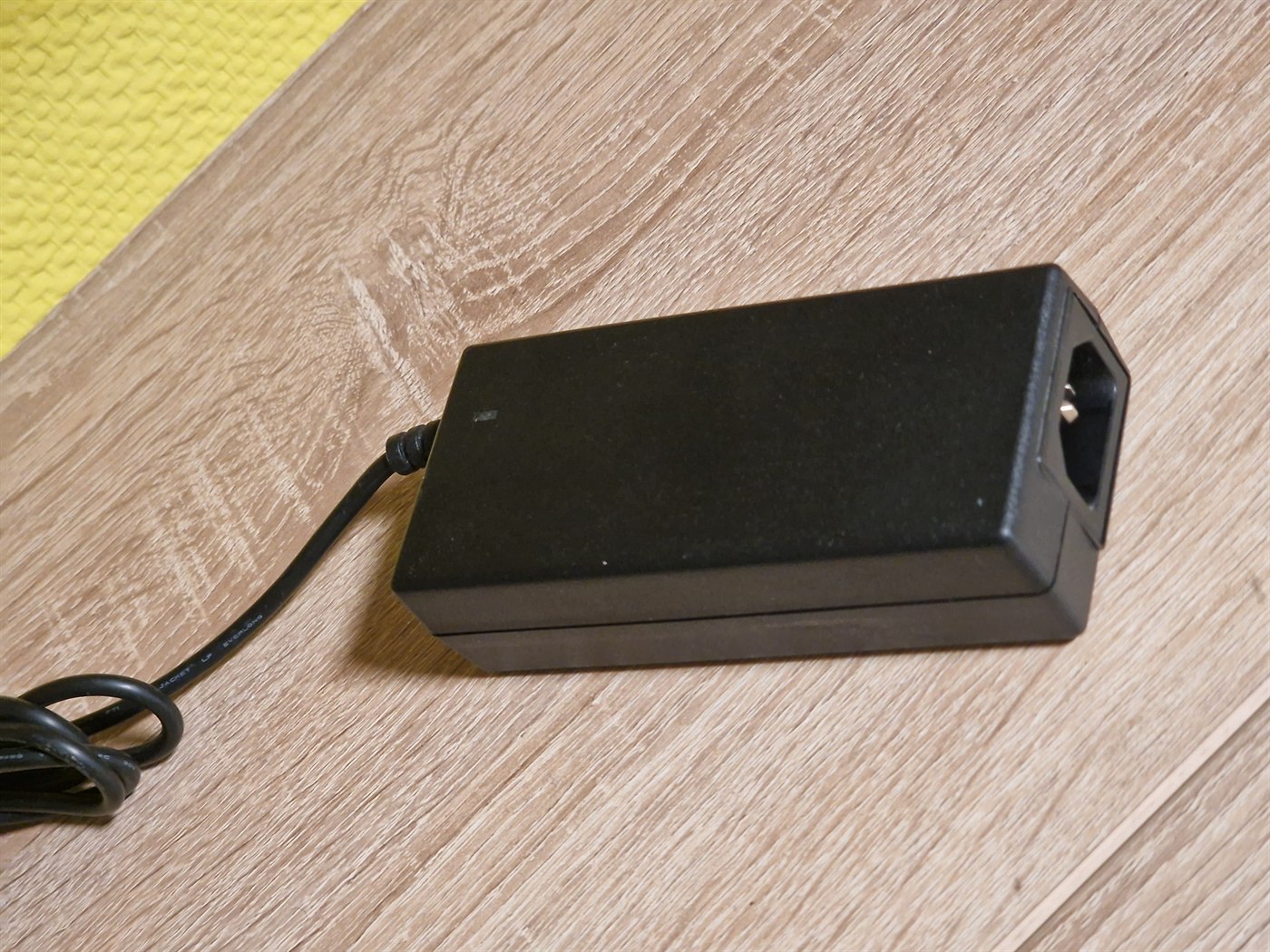
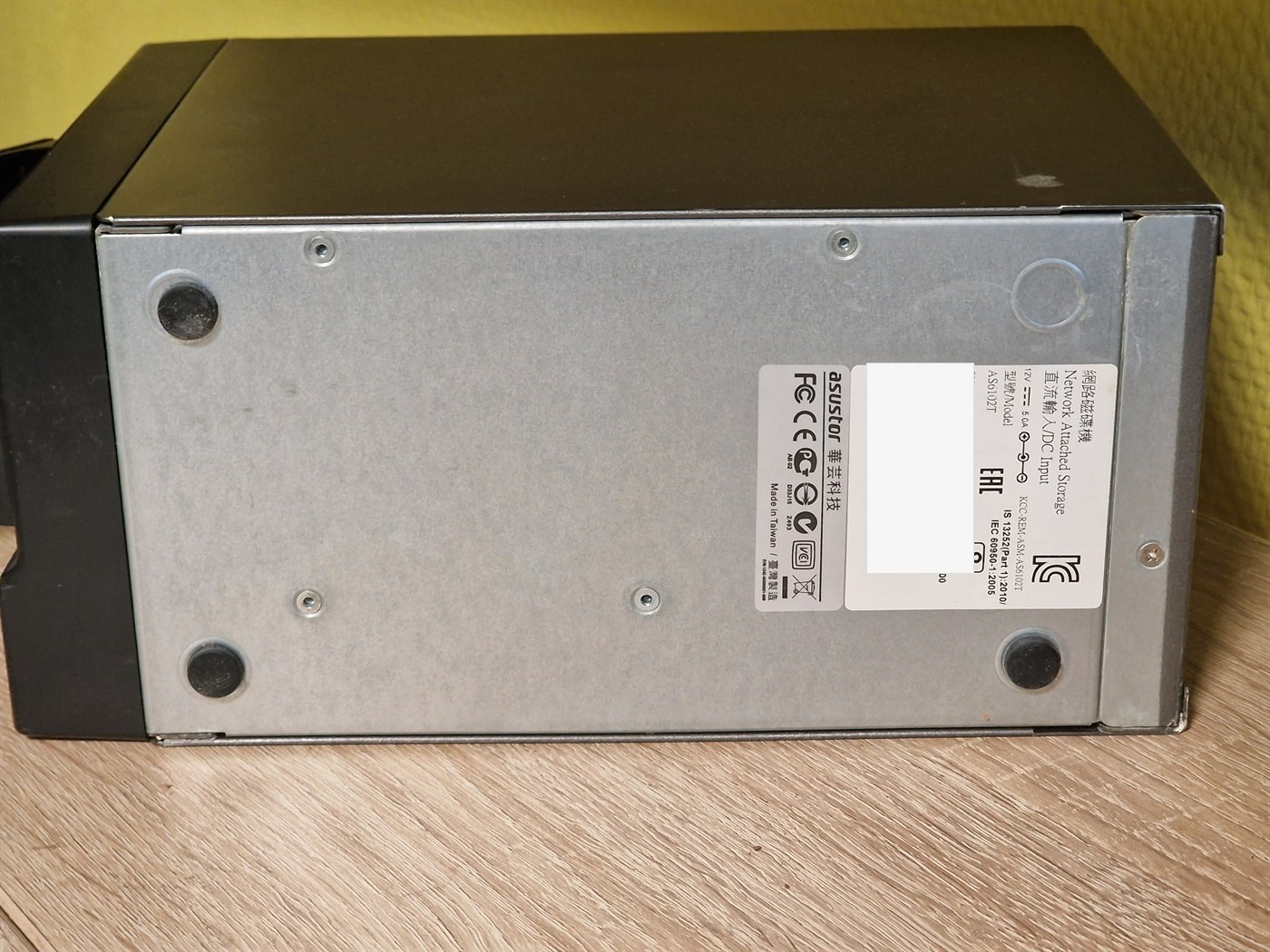
All photographs depict the exact device offered for sale, captured in the NAS Test Lab workshop. Click on any photo to inspect it in full high resolution!
03 / BENCHMARK RESULTS
1 GiB (1024 MiB) allocated RAM buffer tested byte-by-byte across 6 distinct bit patterns.
6/6 patterns passed (0x55, 0xAA, 0x00, 0xFF, walking 1/0) · 100% SHA-256 hash match
Real memory-to-memory TCP network throughput saturation test on the LAN 1 port.
113.1 MB/s real wire throughput · 0 packet errors · 0 dropped packets
Real memory-to-memory TCP network throughput saturation test on the LAN 2 port.
113.1 MB/s real wire throughput · 0 packet errors · 0 dropped packets
Dual-core Intel Celeron J3060 fully stressed using multi-core OpenSSL AES-NI and SHA-256 engines.
Cool and whisper-quiet operation under sustained 100% multi-core processor load
Testing all 5 physical external USB ports (3× USB 3.0 + 2× USB 2.0) with dedicated hardware.
All three USB 3.0 ports verified operating at 5 Gbps SuperSpeed
SMART bus analysis and physical controller signal integrity on both drive bays.
Motherboard SATA traces and backplane connectors in pristine condition
04 / DIAGNOSTIC PROTOCOL
Exact device identification verified (ASUSTOR AS6102T). Internal flash storage upgraded to the latest official ADM 4.3.3.RY62 release (Linux kernel 5.13.x x86_64). All onboard subsystems detected correctly.
Method: DMI BIOS and ADM system tables inspection, verified internal DOM flash write and clean reboot cycle.
The system detects the upgraded maximum 8 GB dual-channel RAM (2× 4 GB: Micron + Samsung, expanded from factory 2 GB) across both slots. A 1 GiB (1,073,741,824 bytes) buffer allocated from free memory was tested byte-by-byte across six distinct bit patterns (0x55, 0xAA, 0x00, 0xFF, walking 1s and 0s) and completed without bit errors, memory mismatch, or OOM events (0 errors).
Method: Userland buffer test under running ADM OS with SHA-256 cryptographic verification.
Limitation: The 1 GiB test under a running OS confirms stability of the allocated memory range, but due to kernel- and system-reserved regions, it does not prove the entire 8 GB RAM error-free, nor does it replace a standalone bare-metal Memtest86 diagnostic.
Both cores of the Intel Celeron J3060 CPU were placed under sustained load using hardware AES-NI cryptography and intensive SHA-256 hashing. Core temperature remained at a remarkably low 26.8 °C with quiet acoustic profile.
Method: Multi-core OpenSSL computational stress with real-time ACPI thermal zone and onboard sensor logging.
Both Gigabit Ethernet ports independently benchmarked. Port LAN 1 achieved 949.1 Mbit/s, while port LAN 2 reached 948.7 Mbit/s with zero packet drops or framing errors (achieving theoretical wire speed saturation).
Method: High-rate memory-to-memory TCP stream benchmark with kernel network statistics accounting.
All external connectors verified: all 3 USB 3.0 ports operate at 5 Gbps SuperSpeed, both USB 2.0 ports functional. HDMI 1.4b port instantly read display EDID parameters when connected to monitor (LG ULTRAWIDE, Full HD 1080p mode).
Method: Physical USB 3.0 device attachment, xHCI kernel event logging, and Linux DRM framebuffer initialization.
Following testing, the NAS was reset via official ADM procedures (INITED = 0, STATUS = uninitialized). All test volumes, network parameters, and passwords sanitized. Ready for the new owner to begin first-time installation.
Method: Official ADM sysreset routines, drive removal, controlled shutdown, and port protective cleaning.